
OWC Health Awareness Series: Seasonal Affective Disorder Awareness & Holiday Mental Health
Published: December 2025 · Updated: October 2026

KEY TAKEAWAY
- Seasonal and holiday pressures can affect internationally mobile employees in different ways.
- Share credible support routes, explain available benefits and keep crisis information easy to find.
For many people, the winter holiday season is a time of celebration, travel, family gatherings and rest. But this isn’t everyone’s experience.
Across global workplaces – especially among expats living far from home – December can be one of the most emotionally challenging months of the year. Shorter daylight hours, colder weather, end-of-year pressure, loneliness, and family expectations all play a role. It’s also when Seasonal Affective Disorder (SAD) becomes more common, and when feelings of isolation can quietly intensify.
This month’s awareness theme is a reminder that mental health deserves attention year-round – and during the holiday season most of all.
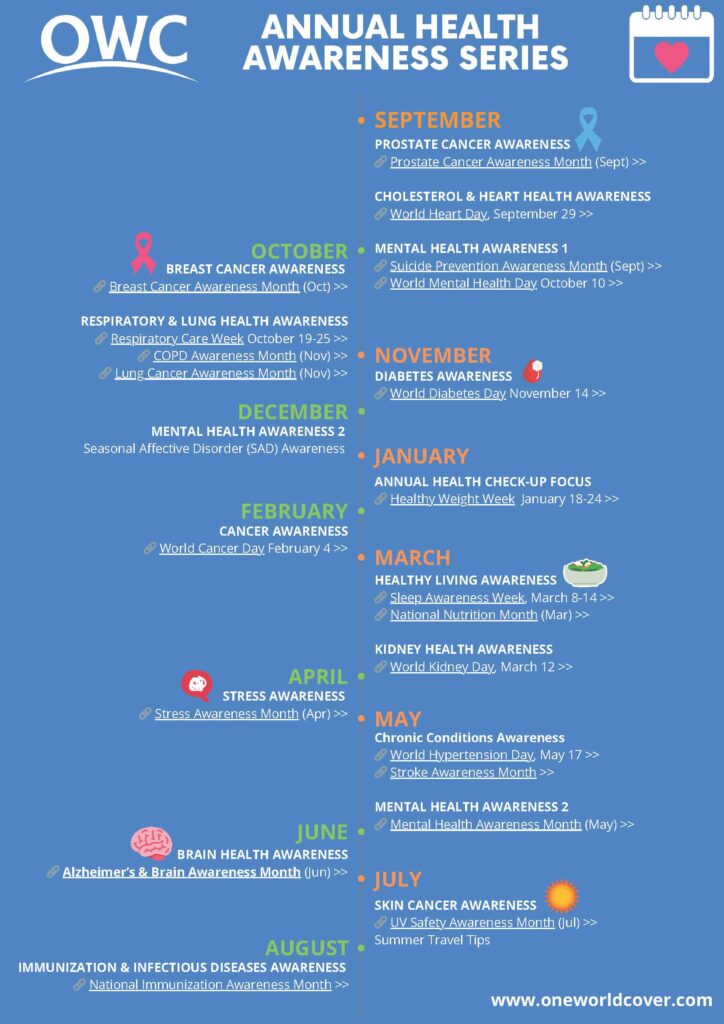
About the OWC Health Awareness Series
One World Cover’s Health Awareness Series is a year-long program designed to help employers of globally mobile staff shine a spotlight on critical health issues. Each month we highlight one or more key condition or area of wellbeing – sharing practical resources, workplace tools, and communication materials that HR teams can use to educate and engage their employees. The aim is simple: to encourage prevention, promote early detection, and empower organizations to support the long-term health of their people.
READ MORE >> One World Cover’s Health Awareness Series: 2025-26 Refresh, New Topics
Understanding Seasonal Affective Disorder (SAD) and its Impact
Seasonal Affective Disorder (or SAD) is a form of depression triggered by seasonal changes, typically beginning in late autumn and lasting through winter. Common symptoms include:
- Low mood, sadness or hopelessness
- Fatigue and loss of energy
- Sleep disruptions
- Increased cravings for carbohydrates
- Difficulty concentrating
- Withdrawal from social activities
SAD is more common in regions with shorter winter daylight, but it can affect anyone – including globally mobile staff adjusting to a new climate or location.
💡 Did you know? SAD is not just “feeling a bit low in winter”. It is a recognised form of depression that can affect energy levels, sleep, appetite, and concentration, and it can benefit from professional support.
Why Holiday Mental Health Matters
The holiday period often brings:
- Loneliness for those far from family or lacking a strong local support network
- Grief for people missing loved ones or facing the first holiday after a loss
- Financial pressure from travel, gifts or seasonal expectations
- Burnout after a demanding school or work year
- Relationship strain, especially during long absences from home
- Cultural adjustment stress for expats navigating unfamiliar traditions
While many assume the season is universally joyful, the truth is that for many people this is the hardest time of year – which is why awareness and community support are so important.
How to Support Yourself This Season
If winter tends to hit you (or this year feels heavier than usual), you don’t need a perfect routine. You need a few simple, repeatable actions.
Know when to step up care If you have persistent low mood, significant anxiety, or any thoughts of self-harm, seek professional support urgently. It’s always appropriate to ask for help.
Protect your sleep timing (not just “more sleep”) Try to keep a consistent wake-up time. Oversleeping can worsen grogginess and low mood. If you’re exhausted, a short nap is fine, but avoid turning afternoons into a second night.
Get daylight early, even when it’s grey A short walk outside in the first part of the day can help your body clock. If you work indoors, consider a brief morning walk or stepping outside during a coffee break.
Move a little, more often The bar is low: a 10–20 minute walk, stretching, or a light workout. The goal is to reduce inertia and improve sleep quality.
Keep meals steady (watch the sugar swing) Craving comfort foods is common. Aim for regular meals with protein and fibre, so energy doesn’t crash. If you snack more in winter, plan it rather than fighting it.
Reduce isolation with “low-effort” connection SAD can make socialising feel like work. Choose lower-pressure contact: a short coffee, a walk, or a quick call. Consistency matters more than intensity.
Use support early, not at breaking point If your plan includes counselling, EAP-style support, or a mental health platform, use it when you notice early signs (sleep disruption, irritability, withdrawal), not only during a crisis.
Review Mental Health Benefit Access with Us
Look at how employees can access support and where the current plan may create uncertainty or obstacles.
How to Support Others
You don’t need to be a counsellor to be supportive. You just need to be steady, observant, and practical.
Notice patterns without diagnosing Try: “I’ve noticed you seem a bit more drained lately. How are you doing?” Avoid labels like “SAD” unless they bring it up.
Offer specific help, not vague offers Instead of “Let me know if you need anything,” try:
- “Want to take a short walk at lunch?”
- “I can cover that task / meeting if you need breathing room.”
- “Do you want me to sit with you while you call the support line / book an appointment?”
Escalate when needed If you believe someone may be at risk of harm, don’t manage it alone. Involve appropriate support (local emergency services, company safeguarding leads/HR, insurer assistance). Acting is better than guessing.
Reduce pressure and shame If someone is struggling, advice like “be positive” often backfires. Better: “That sounds hard. You’re not alone. We can take this one step at a time.”
Encourage professional help in a normal way Try: “Have you considered speaking with a counsellor or doctor? If you want, I can help you figure out what support is available through your benefits.”
Mental Health Support Through Your International Health Insurance Plan
Most international health insurance plans include:
- In-person or virtual (telehealth) counselling
- Psychiatry support where clinically needed
- 24/7 Employee Assistance Programs (also known as IEAP or ‘international employee assistance progams’)
Not sure whether your plan includes mental health cover or an EAP/IEAP service? Please email our team at: [email protected]
READ MORE >>
Resources: Employee Toolkits/Educational Materials
Seasonal Affective Disorder – How to Support Your Employees >>
Mental Health Commission of Canada Guide to Help Employees’ Mental Health Through Winter >>
Mentally Healthy Schools Winter Wellbeing: Toolkit of Resources >>
Build Your Winter SAD Survival Kit: Essential Tools for Seasonal Depression Relief >>
# Common social media hashtags
#SeasonalAffectiveDisorder #SADAwareness #WinterBlues #MentalHealthMatters #YouAreNotAlone #SeasonalDepression
How One World Cover Can Help
If you need guidance on accessing mental health services, finding a medical provider in your city or online, or using the mental health benefits included in your insurance plan, our team is ready to assist. Please email our team at: [email protected]
Or schedule a 1-on-1 consultation with our team to get personalized support. Available from Monday to Friday. We’re here to support you this holiday season.
🆘🆘🆘 If You Are in Crisis or Feeling Unsafe
If you are in a crisis (or another person may be in danger), are having thoughts of suicide, self-harm, or feel unable to stay safe, please seek help immediately.
You are not alone – support is available. The below resources can offer immediate help:
Dropdown list of international crisis centres and suicide hotlines (listed by country): www.betterhelp.com/gethelpnow
Book a Benefits Communication Review
Help employees understand the support in their plan and the steps to access it.
List of international suicide hotlines (listed by country): blog.opencounseling.com/suicide-hotlines
Reaching out is a sign of strength. Help is available now.
Select EAP or IEAP Services:
Allianz Asia / Allianz Care
PDF INTRO >>
https://awcsexpat.one.telushealth.com/home
Access details may change; contact your employer or Allianz Care for current access instructions.
Allianz China
PDF INTRO >>
APRIL Asia
PDF INTRO >>
Cigna International
PDF INTRO >>
Cigna China
PDF INTRO >>
Cigna Africa
PDF INTRO >>
cignaglobal.powerflexweb.com
MSH China
PDF INTRO >>
Now Health China
PDF INTRO >>
Prosper Health (China)
PDF INTRO >>
Surego
PDF INTRO >>
TieCare Connect
PDF INTRO >>
tiecareconnect.com
Popular Expat Telehealth Therapy / Mental Health Providers:

Online counselling service for expats, providing culturally sensitive therapy in multiple languages- accessible from anywhere.
Cost: EUR130 (~US$150)

International teletherapy provider offering video sessions with therapists experienced in supporting expats’ mental health.
Cost: US$225-275
Online therapy platform. Cost: US$90 (BetterHelp operates on a subscription model: US$360/month for 4 sessions. Only sessions that actually happen will be reimbursed by PassportCard).
READ MORE >> Are Subscription-Based Online Therapy Services Like BetterHelp Covered by International Health Insurance?

OWC Care: Personalised Health Support
OWC Care is your personalised health concierge service – here to support you with hospital navigation, accessing your insurer’s second opinion service, and assistance with complex treatment planning. Whether you’re dealing with a serious diagnosis or just need help finding the right provider, our team is here to guide you, every step of the way. **
** Important Note: While we help guide members to high-quality options, OWC Care does not act as a medical referral service. The final decision on where to seek care rests with the individual. We are not liable for any decisions made by the member or the medical provider.
Frequently Asked Questions (FAQs)
What is seasonal affective disorder? The article describes SAD as a form of depression associated with seasonal changes and reduced daylight, while advising professional support for symptoms.
How can employers help during the holiday period? Communicate support routes, encourage connection and flexibility, and make mental health and EAP benefits easier to understand.
What should someone do in an immediate crisis? Use the emergency and crisis resources retained in the article and seek urgent local professional help.
Get Support When Benefit Questions Hit HR
Give HR a clear route for questions about benefits, access and the support available to staff.
One World Cover is an international health insurance broker and employee-benefits consultant, not an insurer.



About the Author
