
OWC Health Awareness Series: World Mental Health Day 2025
Published: October 2025 · Updated: October 2026

KEY TAKEAWAY
- The 2025 World Mental Health Day theme highlighted access to support during catastrophes and emergencies.
- Globally mobile employees need clear, confidential routes to care that work in their actual location and language.
- Employers should review provider access, online care and benefit limits alongside crisis planning and ongoing support.
Mental-health access during crises
Each year on October 10, the world marks World Mental Health Day – a global reminder that mental health is fundamental to human wellbeing and that access to care is not a privilege, but a necessity.
In 2025, the World Health Organization’s theme is “Access to services: mental health in catastrophes and emergencies”, which calls attention to the millions whose mental health needs are intensified by crisis. Whether caused by conflict, disaster, or displacement, emergencies often cut people off from the very systems meant to support them.
Why This Year’s Theme Matters for Expats
For expats -be it educators, aid workers, corporate staff, and their families – living abroad adds an extra layer of complexity when crises strike. Distance from family, language barriers, and unfamiliar systems can make even minor disruptions more stressful – and in emergencies, the effects can be magnified.
Political unrest, conflict, or natural disasters can leave expat staff feeling isolated and anxious, often far from their usual support networks.
Access to professional mental health services abroad can be uncertain, with limited English-speaking counselors and cultural stigma around therapy.
Business leaders face dual pressures – supporting others while managing their own wellbeing under strain.
Emotional recovery frequently lags behind physical recovery, particularly for families rebuilding a sense of safety and belonging in unfamiliar environments.
About the OWC Health Awareness Series
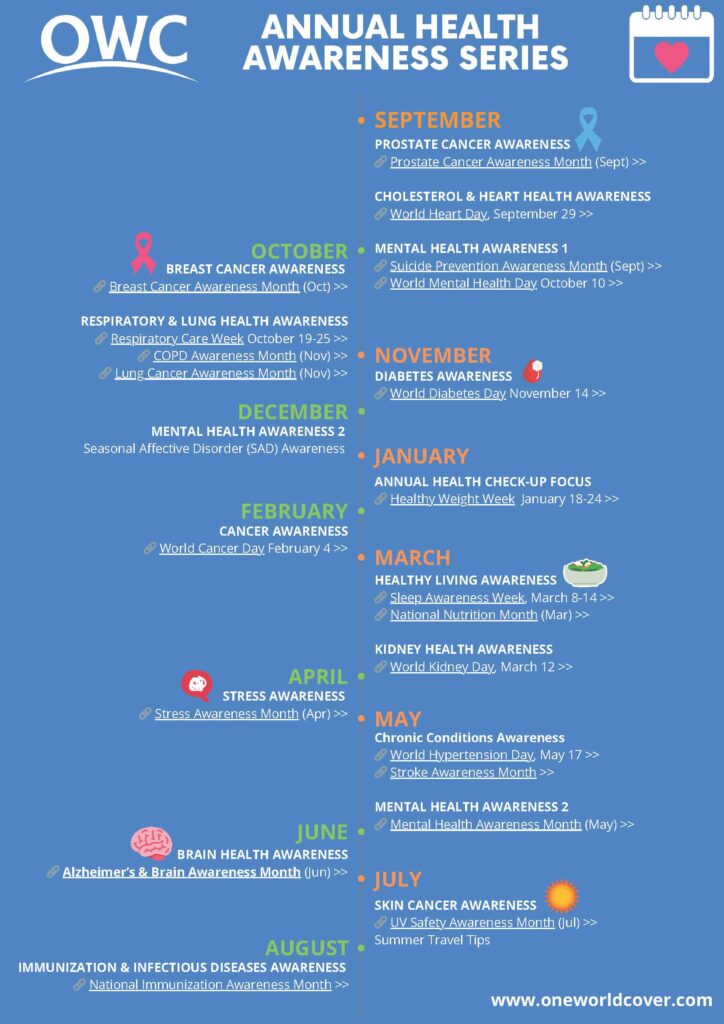
One World Cover’s Health Awareness Series is a year-long program designed to help employers of globally mobile staff shine a spotlight on critical health issues. Each month we highlight one or more key condition or area of wellbeing – sharing practical resources, workplace tools, and communication materials that HR teams can use to educate and engage their employees. The aim is simple: to encourage prevention, promote early detection, and empower organizations to support the long-term health of their people.
READ MORE >> One World Cover’s Health Awareness Series: 2025-26 Refresh, New Topics
Understanding the Impact
- 1 in 5 people affected by conflict or disaster may experience a mental health condition.
- During crises, nearly everyone experiences emotional distress – even if not a diagnosable disorder.
- Mental health care remains among the least funded areas of humanitarian aid, despite being essential for community recovery.
- Expats face compounded risk due to relocation stress, cross-cultural adjustment, and uncertainty about where to seek care.
💡 Did you know? According to the WHO, integrating mental health and psychosocial support into emergency response efforts improves both long-term resilience and economic recovery. Remote therapy and online counseling are now recognized by the WHO as vital tools in bridging access gaps during disasters. Even short-term interventions – such as 4–6 counseling sessions – have been shown to reduce anxiety and improve productivity in globally mobile workforces.
Review Mental Health Benefit Access with Us
Check whether mental-health benefits translate into accessible care in the locations where your employees and families live.
What Employers Can Do
- Create safe spaces for dialogue: Encourage open discussion about mental wellbeing during staff meetings, retreats, or onboarding. Normalize asking for help.
- Communicate available support: Ensure employees know how to access confidential counseling, tele-mental health services, or Employee Assistance Programs (EAPs) under their insurance plan.
- Build flexibility into policies: Allow “mental health days,” flexible hours, or remote options following local or regional crises.
- Train leadership and HR teams: Equip them to identify signs of distress and direct staff to professional help early.
- Review benefits design: Confirm that your international health insurance covers online therapy, psychiatry, and trauma counseling, not just in the home country but globally.
READ MORE >> Supporting Mental Wellbeing in a Changing World: Key Takeaways for Employers of Expats
How the Community Can Support and Amplify Awareness
Creating a mentally healthy organization isn’t a one-day initiative – it’s an ongoing commitment. For global employers, this means building community connection, empathy, and visibility into every level of workplace culture.
- Foster connection and peer support, especially for staff far from home.
- Organize internal awareness sessions or partner with regional mental health organizations.
- Use your communication channels – newsletters, posters, intranet.
- Encourage managers to model vulnerability and empathy – leadership behavior shapes organizational culture more than any campaign.
Resources: Employee Toolkits/Educational Materials
Mental Health Foundation UK World Mental Health Day Resources >>
United Nations World Mental Health Day Communications Toolkit >>
Be Happy World Mental Health Day Resources >>
World Mental Health Day Teaching Resources >>
# Common social media hashtags for World Mental Health Day
#WorldMentalHealthDay #MentalHealthAwareness #MentalHealthMatters #TogetherForMentalHealth
Why This Matters for Employers
Mental health challenges don’t stay invisible. They affect performance, retention, and organization culture. For expat staff, the impact can be amplified by distance, isolation, and uncertainty about how to access help abroad.
For international employers, supporting mental health isn’t just part of wellbeing – it’s a cornerstone of duty of care. Prioritizing access to quality mental health services helps protect both your people and your organization’s long-term resilience.
At One World Cover, we help global employers and international schools integrate mental health access into their health insurance plans – not as an add-on, but as a core benefit.
That means:
- Ensuring coverage for video-based therapy and digital counseling services anywhere in the world.
- Supporting HR teams with awareness campaigns and utilization tracking to increase uptake.
We believe that when employees are mentally healthy, connected, and supported, the entire organization thrives. Let’s make mental health support a permanent part of your international benefits strategy – not just on October 10, but every day.
Book a Benefits Communication Review
Make crisis contacts, confidential support and routine care pathways easy for employees to find.
🆘🆘🆘 If You Are in Crisis or Feeling Unsafe
If If you are in a crisis (or another person may be in danger), are having thoughts of suicide, self-harm, or feel unable to stay safe, please seek help immediately.
You are not alone – support is available. The below resources can offer immediate help:
Dropdown list of international crisis centres and suicide hotlines (listed by country): www.betterhelp.com/gethelpnow
List of international suicide hotlines (listed by country): blog.opencounseling.com/suicide-hotlines
Reaching out is a sign of strength. Help is available now.
Select EAP or IEAP services:
Allianz Asia / Allianz Care
PDF INTRO >>
https://awcsexpat.one.telushealth.com/home
Use the access details supplied by your insurer or benefits team.
Allianz China
PDF INTRO >>
APRIL Asia
PDF INTRO >>
Cigna International
PDF INTRO >>
Cigna China
PDF INTRO >>
Cigna Africa
PDF INTRO >>
cignaglobal.powerflexweb.com
MSH China
PDF INTRO >>
Now Health China
PDF INTRO >>
Prosper Health (China)
PDF INTRO >>
Surego
PDF INTRO >>
Popular Expat Telehealth Therapy / Mental Health Providers:

Online counselling service for expats, providing culturally sensitive therapy in multiple languages- accessible from anywhere.
Cost: EUR130 (~US$150)

International teletherapy provider offering video sessions with therapists experienced in supporting expats’ mental health.
Cost: US$225-275
Online therapy platform. Cost: US$90 (BetterHelp operates on a subscription model: US$360/month for 4 sessions. Only sessions that actually happen will be reimbursed by PassportCard).
READ MORE >> Are Subscription-Based Online Therapy Services Like BetterHelp Covered by International Health Insurance?
Frequently Asked Questions (FAQs)
What should employers check about mental-health support during an overseas crisis? Check the available providers, languages, remote-care options and emergency contacts for the employee’s location. Explain how these routes work and what the insurance or assistance benefit includes.
Does access to an EAP mean all therapy is covered by health insurance? No. An EAP and insured mental-health treatment can have different eligibility rules, session limits and provider arrangements. Explain each service separately so employees know where to turn.
Why should support continue after the immediate emergency has passed? The article notes that emotional recovery can take longer than physical recovery or the restoration of daily routines. Keep confidential support visible and allow staff to seek professional help as needs develop.
Book a Benefits Strategy Call
Review mental-health access as an ongoing part of your international benefits program, beyond a single awareness day.
One World Cover is an international health insurance broker and employee benefits consultant, not an insurer.


About the Author
